To More Inquiry
Now the Largest National Park in Africa, Nyerere National Park is a newly established Park which is part of what is known as Selous Game Reserve.
The name of the Park is given in honor of the founder of the Nation, the Late Mwalimu Julius Kambarage Nyerere.
The Park has been established in year 2019 and cover an area of over 30,000 square kilometers.
With its largest wilderness area in Africa, Nyerere National park has relatively undisturbed ecological and biological processes, including diverse range of wildlife with significant predator and prey relationship.
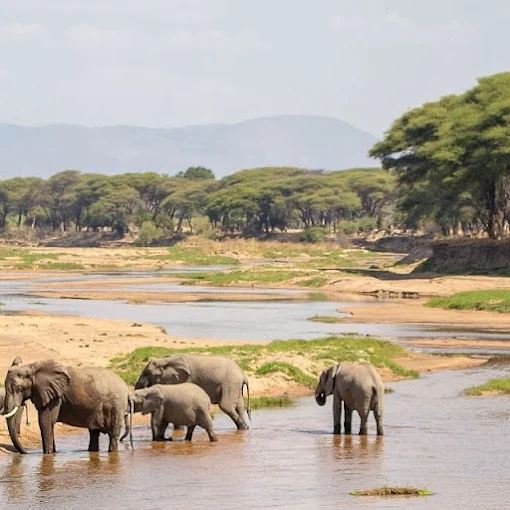
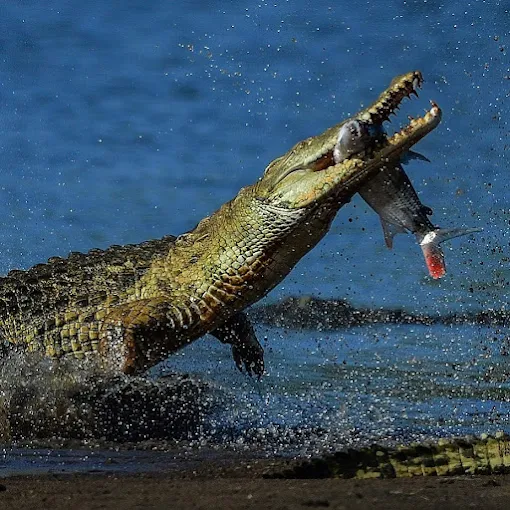
The might Rufiji with its renown population of hippo and Rhino flows to Indian ocean. The river has been designated as a photographic zone and is a popular tourist destination.
The sheer volume of game in the Nyerere is just outstanding !
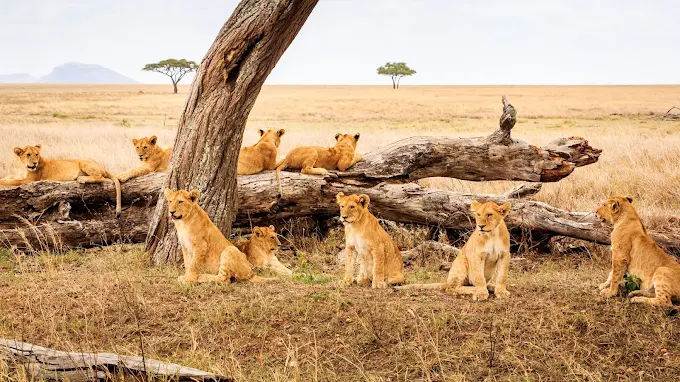
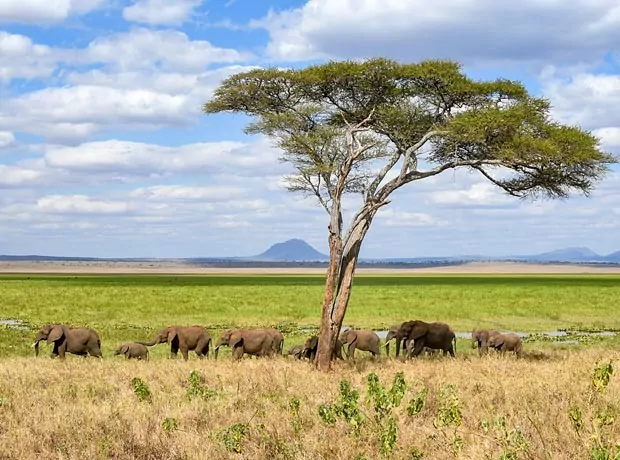
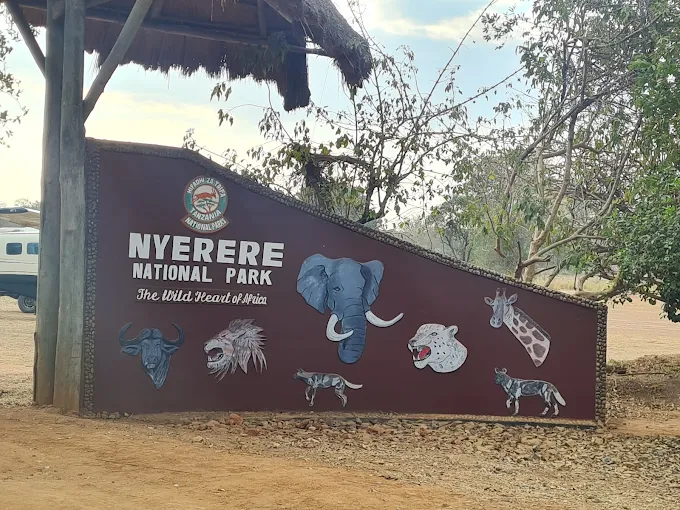
Elephant, buffalo and lion are found in greater numbers and the park, together with the remaining part of Selous has the last true stronghold for African wild dog
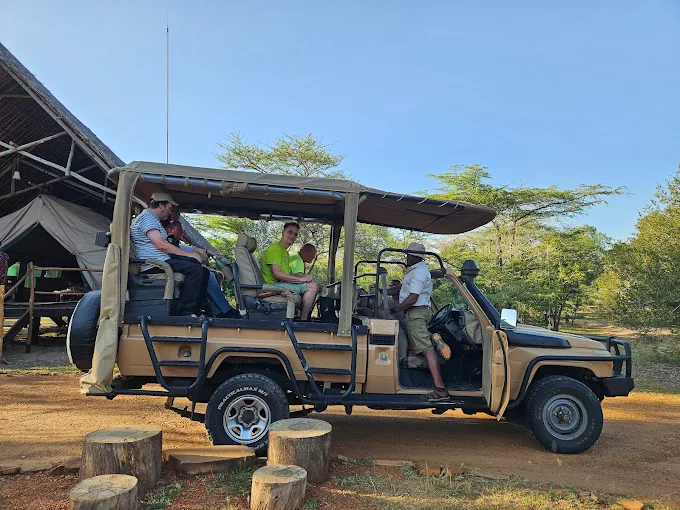
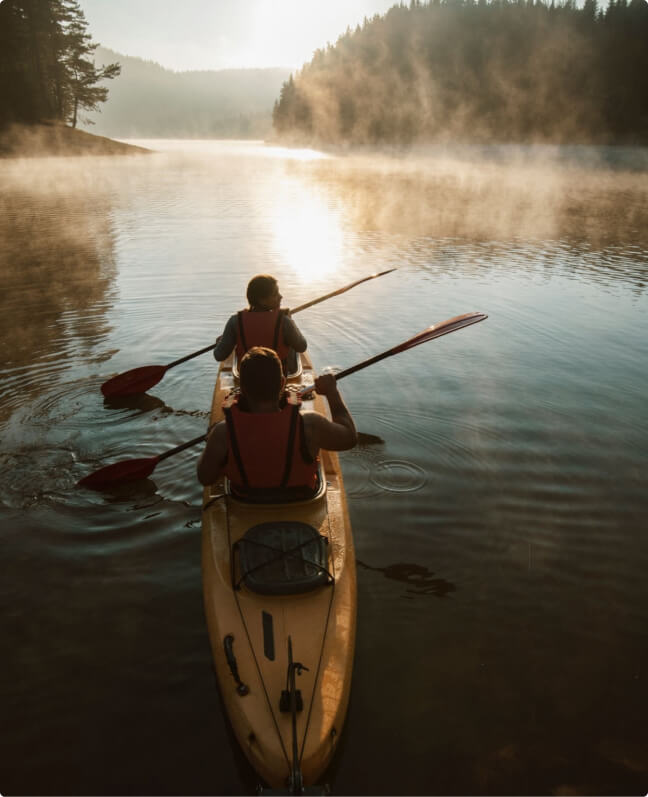
Visitor to this vast park will be able to enjoy the widest diversity of safari activities in the country, like boating safaris as well as standard game drives, walking safaris and legendary fly camping trips.
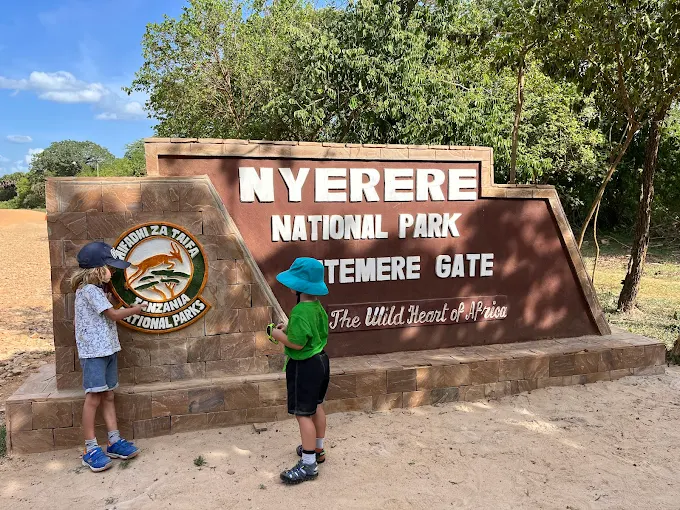
At 30,893 square kilometers, the vast Nyerere National Park is Africa’s largest stand alone National Park and one of the largest in the world. The park is located in south Eastern Tanzania, roughly 230 kilometers by road from Dar es Salaam city to Mtemere Gate, and was carved out from the Selous Game reserve, a huge wilderness area and safari destination in Southern Tanzania.
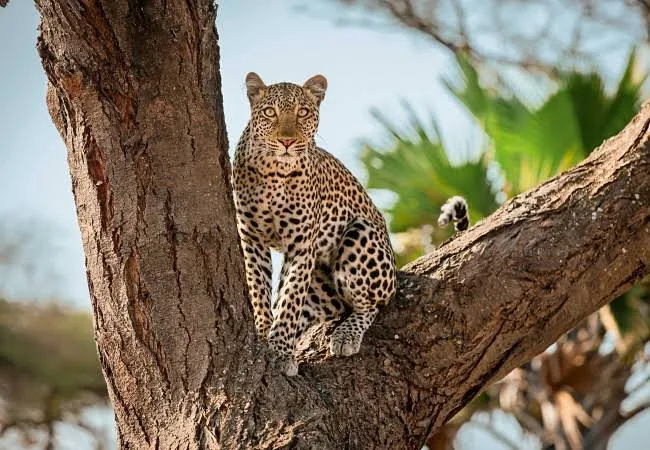
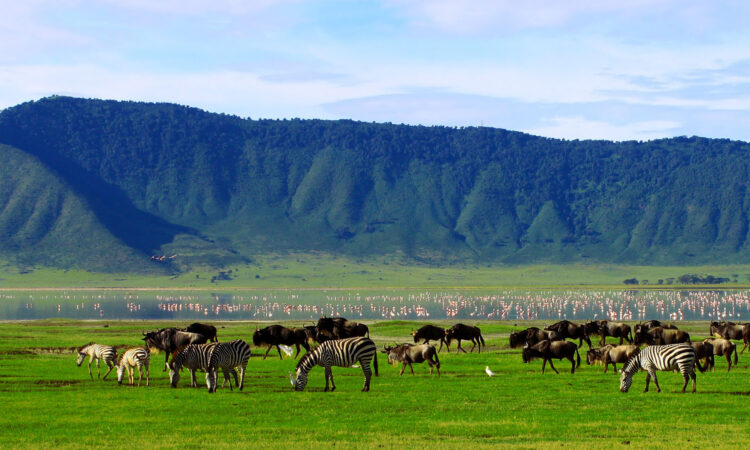
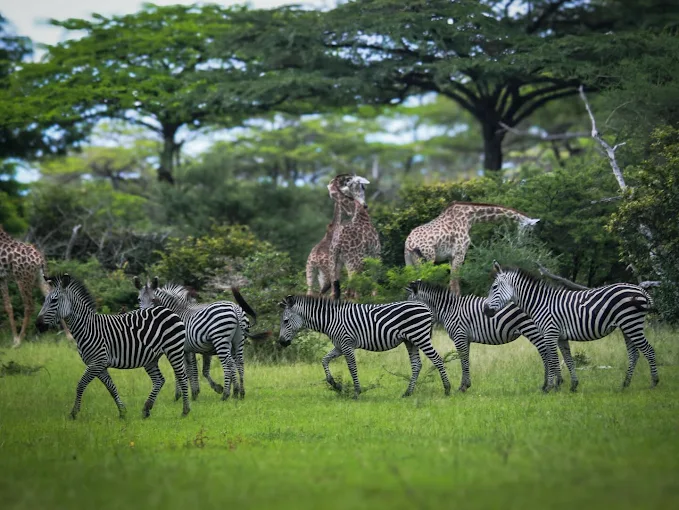
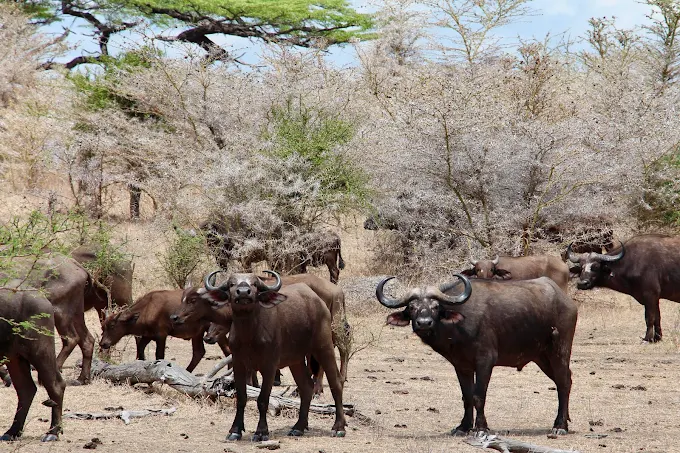
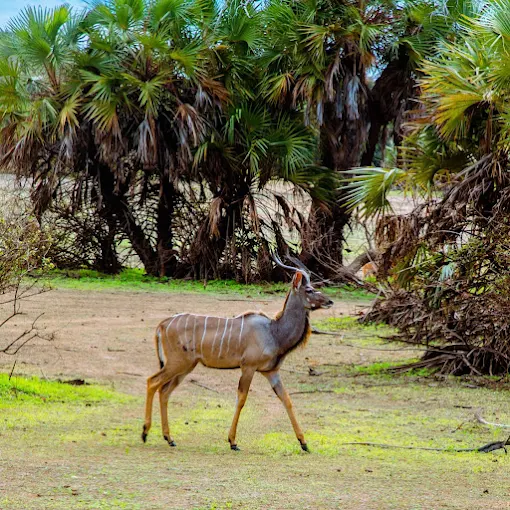
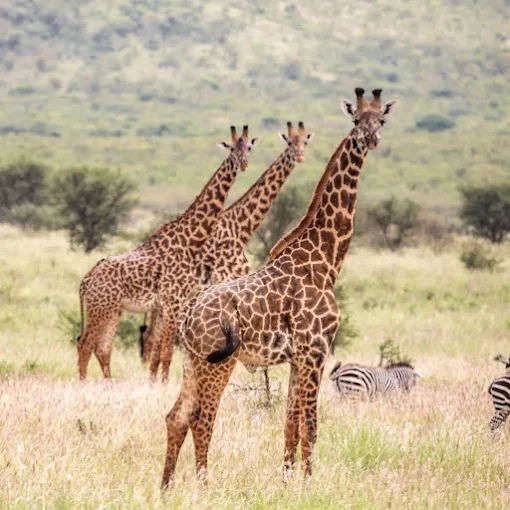
Nyerere Park boasts of the largest concentration of wild animals and a rich collection of wildlife that is abundant and diverse. The fact that this park is new and largely less frequented by tourists means that the animals here tend to be less exposed to humans. Good numbers of Big Cats such as Lion, Leopard, Cheetah are to be found here along with other large Game animals such as Elephant, Rhino, Buffalo, Giraffe, Eland, Zebra, Wildebeest and other wildlife.
With the new establishment of this park by the Tanzania Government and TANAPA ( Tanzania National Parks Authority ) in late 2019, it is expected that the park will be developed further and managed more professionally for a better tourism experience.